
Dentures in Old Saybrook, CT
Restore Your Smile and Confidence
Replacing Missing Teeth
Tooth loss can affect many aspects of your daily life, from how you eat to how you feel about your smile. Missing teeth can make it difficult to enjoy certain foods and may impact your confidence in social situations. Finding the right solution is important for both comfort and overall well-being.
At Saybrook Family Dental Care, we offer partial and full dentures as a practical and effective way to restore your smile. Dentures provide a non-surgical option for replacing missing teeth and improving your ability to eat, speak, and smile with confidence. Dentures can help with:
Replacing Multiple or All Missing Teeth
Restoring Your Ability to Chew Comfortably
Improving Speech and Clarity
Enhancing Overall Smile Appearance
The Denture Fitting Process
The process of getting dentures begins with a detailed evaluation of your oral health. Based on the number and position of missing teeth, we recommend either partial or full dentures to best suit your needs.
A custom mold of your mouth is created to ensure a proper fit, and your dentures are carefully designed for comfort and natural appearance. In some cases, temporary dentures may be provided while your final set is being made. Once complete, we ensure the fit is adjusted so your dentures feel secure and function properly. The process includes:
Comprehensive Exam and Treatment Planning
Custom Impressions for Accurate Fit
Fabrication of Your Dentures
Final Fitting and Necessary Adjustments
Types of Dentures Available
We offer different types of dentures to meet your specific needs and restore your smile effectively.

Complete Dentures
Replace all teeth in upper or lower arch.

Partial Dentures
Fill gaps while preserving remaining natural teeth.

Immediate Dentures
Placed right after extraction for immediate tooth replacement.

Flippers
Temporary removable option for replacing one or more teeth.

Precision Dentures
Custom-designed for improved fit, comfort, and function.

Soft Liners
Provide added comfort for sensitive gums and tissues.

Implant Retained Dentures
Snap onto implants for added stability and retention.

Implant Supported Dentures
Anchored securely to implants for strong, stable support.

Denture Repairs
Fix cracks, breaks, or damage to dentures.

Rebases
Replace denture base while keeping existing teeth.
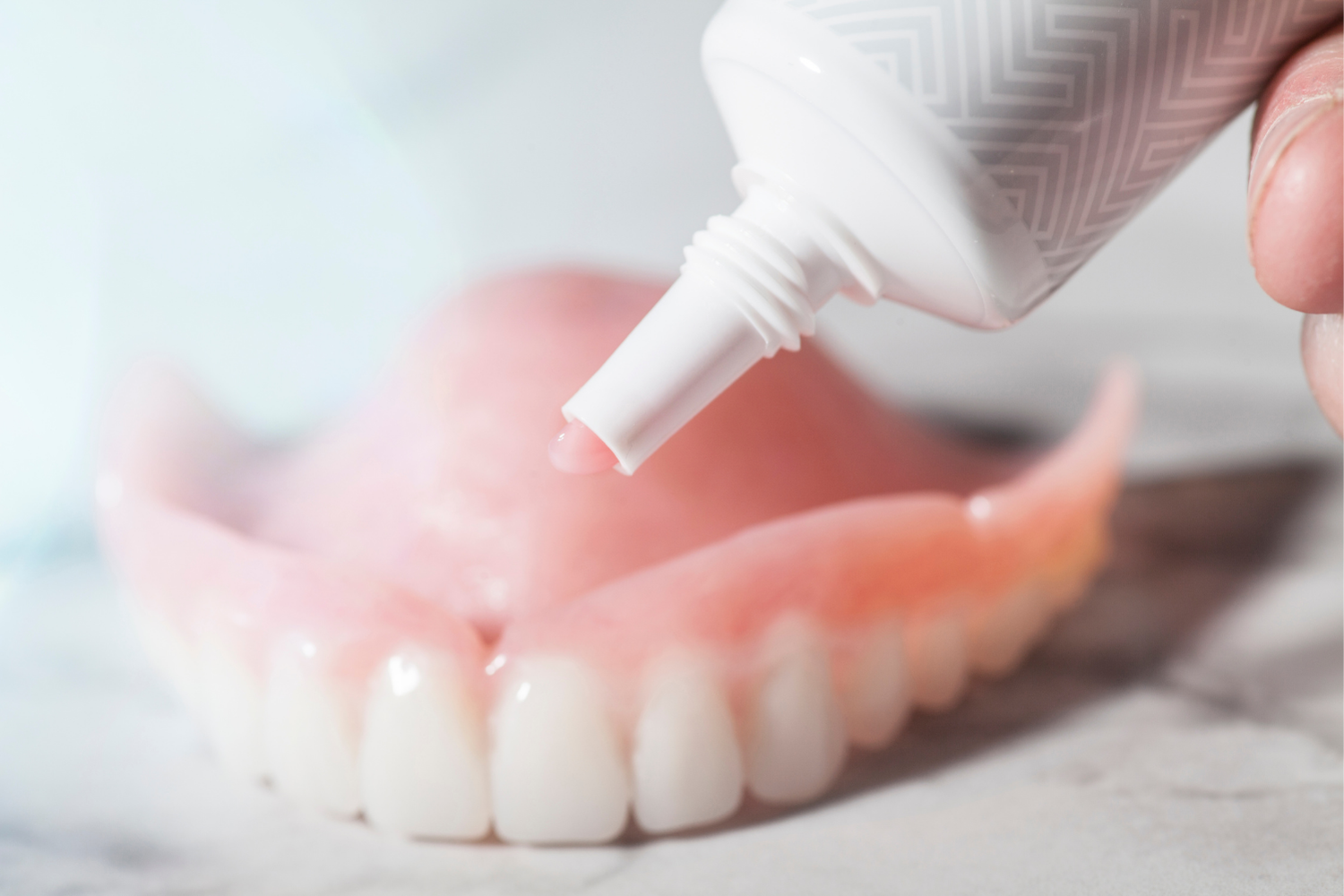
Relines
Adjust inner surface for better fit and comfort.
Frequently Asked Questions
What are partial dentures?
Partial dentures are used when some natural teeth remain and are designed to fill in the gaps created by missing teeth. They fit comfortably around your existing teeth and help restore your ability to chew and speak properly. Partial dentures also help maintain the alignment of your remaining teeth by preventing them from shifting over time.
What are full dentures?
Full dentures are designed for patients who are missing all teeth in the upper or lower arch. They are custom-made to fit your mouth and restore both function and appearance. Full dentures help improve your ability to eat, speak, and smile confidently while supporting the structure of your facial features.
How do I care for my dentures?
Caring for your dentures involves cleaning them daily with a soft brush and denture cleanser to remove food particles and plaque. They should be stored properly when not in use and kept moist to maintain their shape. Regular dental visits are also important to ensure proper fit and oral health.
How long do dentures last?
Dentures can last several years, but they may need to be adjusted or replaced over time due to normal wear and changes in your mouth. With proper care and regular checkups, dentures can continue to function well and remain comfortable for many years.
Can I eat normally with dentures?
There is usually an adjustment period when you first get dentures, but most patients are able to return to eating a wide variety of foods. Starting with softer foods and gradually reintroducing harder textures can help you adapt more comfortably while regaining confidence in your ability to chew.